
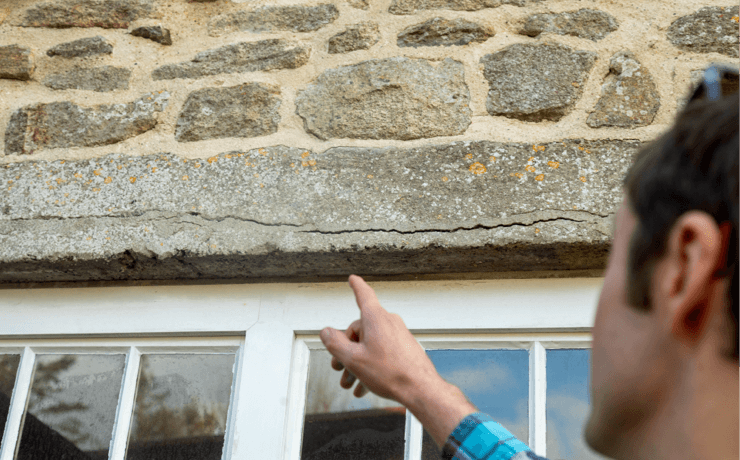
Learn how old buildings in Cornwall differ from modern structures and the unique challenges they present. Discover the importance of traditional building materials and techniques for preserving these historic properties.
Challenging Maintenance for Cornish Buildings
Cornwall is steeped in history, and its landscape is dotted with beautiful old buildings. However, these historic structures present unique challenges for homeowners and builders. Understanding how these buildings were originally constructed and how they differ from modern buildings is crucial for their proper maintenance and repair.
The Old Way: Water Resistance, Not Waterproofing
Before the 1900s, buildings in Cornwall were primarily constructed using natural, breathable materials like stone and lime mortar. These buildings were designed to resist water ingress rather than completely prevent it. They relied on good drainage, airflow, and the use of permeable finishes to allow moisture to escape. Due to the use of flexible materials and the lack of substantial foundations, these buildings naturally move with changes in temperature and moisture.
The Modern Approach: Waterproofing and Airtightness
Modern construction, after the 1920s, shifted towards a focus on waterproofing. Cavity walls, curtain walls, and modern timber framed structures are designed to keep water out completely. They often utilise non-permeable materials and finishes. Modern buildings are designed to be rigid and inflexible.

Find the Right Solution for Your Historic Building
Our four-step survey process begins with a no-obligation chat to see how we can best support your property and ensure you’re making the right choices.
Applying Modern Techniques to Historic Buildings
Applying modern waterproofing techniques to old buildings can disrupt their natural moisture management systems, potentially leading to dampness, mould growth, and structural problems. Reliance on such techniques has led to a loss of understanding of traditional building techniques.
Key Considerations for Maintaining Old Buildings
To maintain old buildings effectively, it's crucial to minimise the amount of water impacting the building through the use of well functioning drainage, guttering, and by having a well detailed and maintained roof. Encouraging moisture to escape through the use of breathable finishes and ensuring adequate airflow is also important. Using compatible traditional materials during repairs and renovations is highly recommended. Engaging the services of a qualified building surveyor with expertise in historic buildings is crucial for proper assessment and the understanding of maintenance needs.
By understanding the unique characteristics and challenges of working with old buildings, homeowners and builders can ensure their long-term preservation. A qualified building surveyor can provide expert advice on the best approaches to maintain and repair these valuable historic assets.
If you own an old building in Cornwall and are concerned about its condition, contact Muddy Mortars today. As an experienced building surveyor, we can help you understand the specific needs of your property.
Need Expert Advice?
If you need expert advice on your building, our survey process is designed to be hassle-free. It all starts with a Free Introductory Call - a quick chat to discuss your property and see how we can help, with no initial obligation. Take the first step toward a drier, healthier home today.
Get Expert Advice