
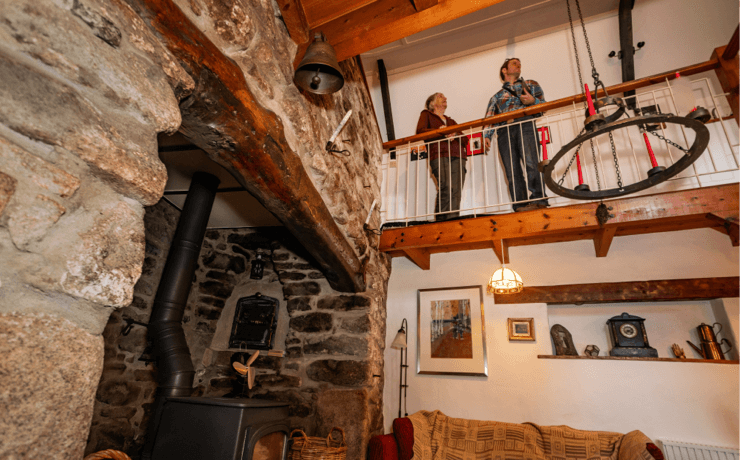
Living with damp in your Cornwall property can significantly impact your health and well-being. This guide explores the importance of damp surveys for tenants, the potential health risks, landlord responsibilities, common causes of damp in historic Cornish buildings, and how to take action.
Why a Damp Survey is Crucial for Tenants
A professional damp survey conducted by an experienced building surveyor in Cornwall provides invaluable evidence to support your concerns with your landlord. An independent assessment accurately identifies the sources of damp and condensation, including:
- Rising Damp: Moisture rising through the walls due to poor perimeter drainage.
- Penetrating Damp: Water entering the property through cracks, leaks in the roof, or faulty gutters.
- Condensation: Moisture forming on cold surfaces due to inadequate ventilation and high humidity levels.
An unbiased report clearly outlines the causes of a damp issue. This allows clarification of the responsibilities of both landlord and tenant in addressing the issue. It helps to provide a clear roadmap for resolving the problem.

Find the Right Solution for Your Historic Building
Our four-step survey process begins with a no-obligation chat to see how we can best support your property and ensure you’re making the right choices.
Health Risks Associated with Damp
Damp environments promote the growth of mould and fungi, significantly impacting indoor air quality. This can exacerbate a range of health issues, including:
- Respiratory problems: Asthma, bronchitis, and other respiratory infections.
- Allergies: Mould spores can trigger allergies and allergic reactions.
- Skin irritations: Contact with mould can cause skin rashes and irritation.
- Fatigue and headaches: Poor air quality can lead to fatigue, headaches, and difficulty concentrating.
Furthermore, damp walls are less effective at retaining heat, leading to colder surfaces that encourage further condensation and mould growth, creating a vicious cycle.
Landlord Responsibilities and Tenant Actions
Landlords have a legal obligation to ensure the property is fit to live in and free from hazards. This includes:
-
Commissioning and paying for a damp survey: If they cannot identify and fix the cause of the problem, landlords should foot the bill.
- Maintaining the building envelope: Ensuring adequate waterproofing of the roof and walls.
- Repairing and maintaining gutters and drainage systems: Clearing blockages and replacing warped gutters in order to prevent water ingress.
- Providing adequate ventilation: Ensuring proper air circulation in order to prevent excessive levels of humidity occurring.
Tenants also play a crucial role in managing internal humidity:
- Proper ventilation: Regularly opening windows and using extractor fans in bathrooms and kitchens.
- Effective heating: Maintaining a consistent and appropriate temperature to reduce condensation.
- Preventing excessive moisture: Drying clothes outdoors whenever possible and avoiding activities that generate excessive moisture indoors.
The Cost of Ignoring Damp
Prolonged damp issues can lead to significant and costly damage to the property:
- Deterioration of building materials: Rotting timbers, crumbling plaster, and decay of stonework.
- Structural damage: In severe cases, damp can compromise the structural integrity of the building.
- Increased energy costs: Damp walls are less energy-efficient, leading to higher heating bills.
Addressing the problem early on is far more cost-effective for landlords than undertaking expensive remedial work later.
Common Causes of Damp in Cornish Buildings
Cornwall's historic buildings, often constructed with traditional materials like stone and clay, are susceptible to specific damp-related issues:
- Faulty Gutters and Drainage: Leaky gutters and inadequate drainage systems allow water to penetrate the building fabric, damaging walls and increasing internal humidity.
- Chimney Issues: Deteriorating chimneys can cause significant water ingress, leading to damp patches, staining, and elevated humidity levels.
- Rising Damp: In older properties, rising damp can occur where the drainage at the perimeter of the building is inadequate, allowing moisture to ascend through the walls.
- Poorly Maintained Render and Pointing: Cracks and gaps in the external render and pointing can allow water to penetrate the building fabric.
Taking the First Step
A professional damp survey is an investment in your health and the long-term condition of the property. It provides crucial evidence for tenants to engage with landlords and helps landlords identify and address issues proactively.
Contact us today to schedule a survey and take the first step towards a healthier and drier home.
Need Expert Advice?
If you need expert advice on your building, our survey process is designed to be hassle-free. It all starts with a Free Introductory Call - a quick chat to discuss your property and see how we can help, with no initial obligation. Take the first step toward a drier, healthier home today.
Get Expert Advice